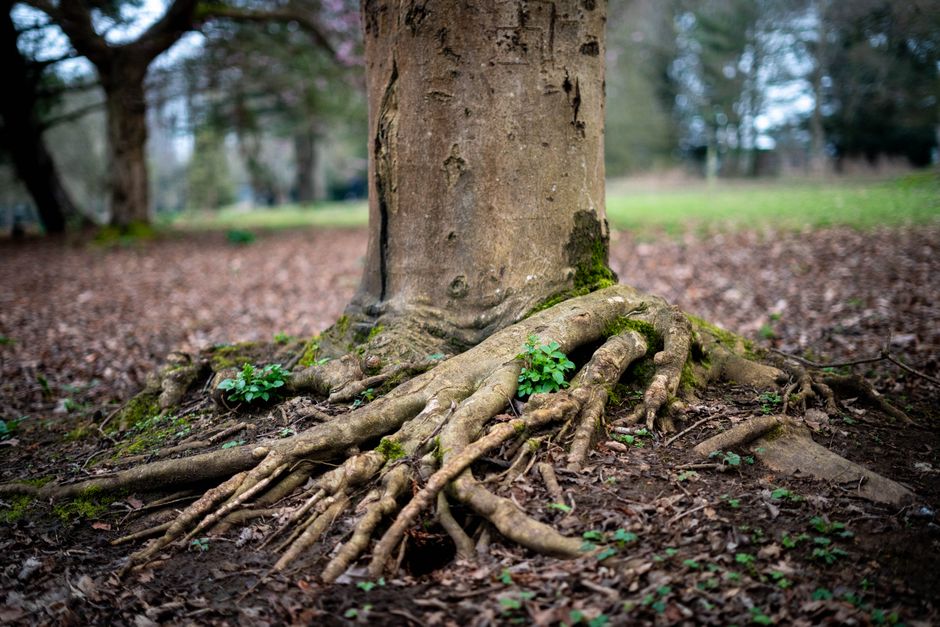
Common problems with tree roots Tooting gardeners fix fast
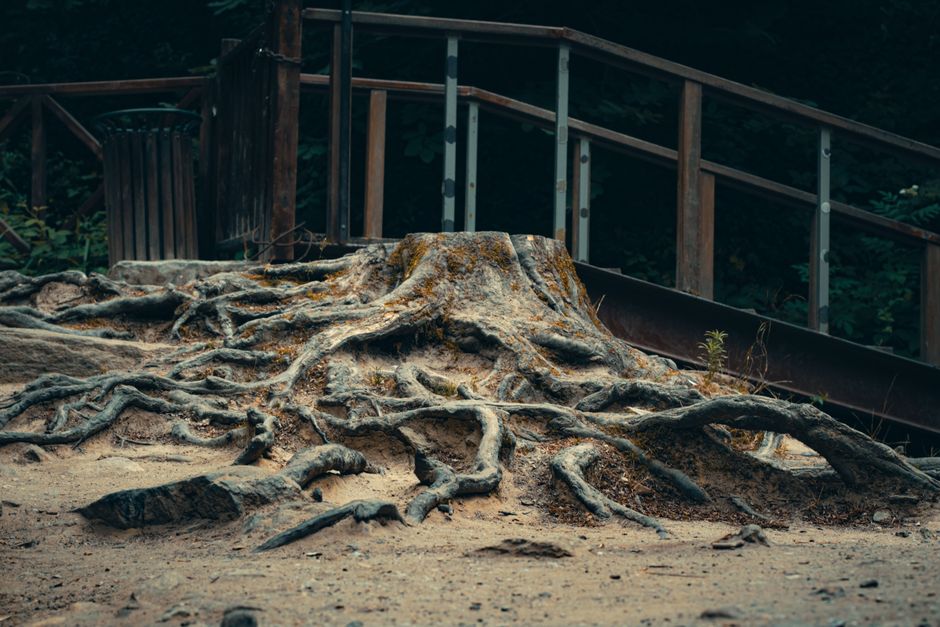
If you have ever looked at a cracked path, a lifted patio slab, or a border that suddenly seems to dry out no matter how much you water it, tree roots may be the quiet culprit. In Tooting, where gardens are often compact and mature planting sits close to homes, these problems can appear quickly and feel a bit overwhelming. The good news is that common problems with tree roots Tooting gardeners fix fast are usually manageable once you know what is actually going on underground.
This guide explains the most frequent root-related issues, how local gardeners approach them, what a sensible fix looks like, and when to bring in a specialist. You will also get a practical checklist, a comparison of solutions, and a straightforward FAQ section for the questions people really ask. Let's face it, roots are never as dramatic as the mess they leave behind.
Why common tree root problems matter
Root problems are not just a cosmetic nuisance. A raised slab or a hairline crack can be the first visible sign of movement below ground, and once the soil starts shifting, the issue often spreads. In a busy London garden, that can mean trip hazards, blocked drainage, damaged edging, or a patio that no longer sits level. It can also affect the health of the tree itself. A stressed tree, oddly enough, can make the garden less safe and less attractive at the same time.
For many homeowners, the bigger concern is uncertainty. Is it normal root growth, or is something actively damaging the property? Can you trim roots, or will that upset the tree? Should you dig it out, or leave it alone? These are fair questions. Good gardeners do not jump straight to the most aggressive fix. They assess the cause, the location, the species, and the surrounding structure before deciding on a remedy.
Tootings' gardens are often bounded by fences, pathways, paved areas and neighbouring plots, which means roots have very little room to wander. That is why a quick, informed response matters. A neat fix now can save you from a much bigger repair later. If the problem is tied to wider garden layout or worn surfaces, it can also make sense to look at broader landscaping support rather than treating the root issue in isolation.
How common tree root problems Tooting gardeners fix fast works
Most root problems fall into a few practical categories: roots pushing up surfaces, roots entering drains, roots competing with other plants for water, and roots making maintenance awkward. The response depends on which of those is happening. There is no one-size-fits-all answer, and anyone who says otherwise is probably skipping the important bits.
The process usually starts with a visual check above ground. Gardeners look for lifted paving, cracks in hard surfaces, changes in soil level, exposed roots, poor drainage, or signs that nearby plants are struggling. They may also ask when the problem began, whether it is getting worse, and whether any tree work or building work happened recently. That context matters more than people realise.
From there, the fix might involve carefully exposing a section of root, adjusting the surrounding soil, re-laying paving, installing a barrier, redirecting water flow, or pruning roots only where it is safe and appropriate. Sometimes the quickest sensible move is not root cutting at all. Sometimes it is clearing the surrounding area and improving access so the root zone can be assessed properly. If the space has become tangled and hard to work in, garden clearance can be a useful first step.
When a tree itself is diseased, unstable, or simply in the wrong place, more decisive action may be needed. In those cases, advice from a local team that offers tree lopping and removal is often the sensible route, especially if the roots are linked to safety concerns or structural damage.
Key benefits and practical advantages
Fixing root problems early brings a few clear wins. Some are obvious, others only become obvious after a wet week and a muddy path.
- Safer walking surfaces: Raised paving, loose slabs and distorted edging are easier to trip over than people expect.
- Less waterlogging: Root issues often sit alongside poor drainage, so sorting one can help the other.
- Healthier planting beds: When roots are competing too aggressively, other plants may look weak, yellowed or thirsty.
- Better garden appearance: A tidy, level garden simply feels calmer. A bit more finished.
- Reduced repair costs: Small interventions are usually far cheaper than replacing hard landscaping after it has been pushed out of shape.
- More predictable maintenance: Once the root issue is handled, everyday jobs like mowing or hedge trimming become easier to manage around the garden.
There is also a quieter benefit: peace of mind. When you know what is causing the problem, you stop second-guessing every crack or uneven patch. That alone can be a relief.
For gardens that need ongoing care after the immediate issue is fixed, a regular garden maintenance plan can help keep root-related problems from creeping back in unnoticed.
Who this is for and when it makes sense
This is for homeowners, landlords, tenants with permission to report issues, and anyone responsible for a shared garden in Tooting who has spotted signs of root interference. It is also relevant if you have mature trees close to paving, walls, sheds, decking, drains or foundations. In a compact garden, root-related movement can show up surprisingly fast.
It makes sense to act when you notice:
- paving lifting or rocking underfoot
- cracks along paths, steps or low walls
- exposed roots crossing the lawn or bed edges
- standing water after rain
- dead patches of lawn near large trees
- plants that keep wilting despite regular watering
- drain smells, slow runoff or repeated blockages
Some people wait because they are unsure whether roots are really the cause. Fair enough. But if the symptoms keep returning in the same place, it is rarely random. A quick inspection often clarifies things within minutes. If the root issue is affecting a deck, raised platform or adjoining hardscape, broader outdoor improvements such as decking services may also come into the conversation once the underlying problem is stable.
Step-by-step guidance
Here is the practical route most experienced gardeners follow. Not every job needs every step, but the order matters.
- Identify the visible symptom. Is it lifting paving, a poor lawn patch, a blocked drain, or a bed that keeps drying out?
- Trace the likely source. Look for nearby trees, exposed root flare, or soil movement around the affected area.
- Check the extent of the problem. A single lifted slab is different from a long run of displaced edging or a root mass under a path.
- Assess safety first. If there is instability, trip risk, or suspicion of structural impact, do not keep digging blindly.
- Choose the least disruptive fix. That may mean lifting and re-bedding paving, adding root barriers, improving drainage, or selectively pruning roots.
- Protect the tree. Avoid cutting major roots without understanding the likely effect on stability and health. That is where experience counts.
- Repair and finish properly. Reset surfaces, tidy the area, and make sure water can move away naturally.
- Monitor the area. A good fix should be checked after heavy rain and again a few weeks later.
A small example: a front path in a terraced garden starts rocking near the gate. The problem looks like a loose slab, but once the edge is lifted, a tree root is found pushing from below. The best fix is not to smash the root out with brute force. The better fix is to relieve pressure, re-bed the paving, and decide whether a barrier or wider layout adjustment is needed. Simple, but not always easy.
Expert tips for better results
Here are the things seasoned gardeners tend to do that make a real difference.
- Work from the symptom back to the cause. A cracked surface is a clue, not the whole story.
- Use moisture to your advantage. After rain, root paths and soil movement are often easier to see.
- Protect nearby planting. When roots are exposed, dry air and foot traffic can cause extra stress.
- Think about future growth. A fix that looks fine today may fail if the tree keeps expanding into the same space.
- Allow for access. Tight spaces around fences, sheds and planters can make repairs awkward. Sometimes clearing the area first saves time later.
- Be conservative with pruning. Tidy, targeted root work is usually better than over-cutting.
One other thing: if the area has become cluttered with cuttings, broken edging, old pots and general garden mess, sorting the root issue alongside garden clearance can make the whole job less messy and much more efficient. Nobody enjoys trying to diagnose a root problem through a jungle of forgotten planters. Not really.
Common mistakes to avoid
Most bad outcomes come from haste, not malice. Still, a few mistakes crop up again and again.
- Cutting roots without checking the tree. Bigger roots can affect stability, so guesswork is risky.
- Ignoring drainage as a factor. Sometimes the roots are part of the story, but water movement is the real cause of the damage.
- Putting heavy surfaces straight back down. If the root pressure remains, the same slab will lift again.
- Filling over exposed roots too deeply. That can suffocate the tree and make the situation worse.
- Using one fix for every problem. A root near a wall needs a different approach from a root in a lawn.
- Leaving the area unresolved after a partial repair. If the root is still pushing, the visible damage often returns.
Another frequent mistake is assuming a fast fix means a rough fix. It does not. Fast and careful can absolutely go together. In fact, that is usually the ideal.
Tools, resources and recommendations
Gardeners fixing root issues fast usually rely on a modest, sensible kit rather than anything flashy. The exact tools depend on the job, but these are common:
- spade and border fork for controlled digging
- pruning saw or loppers for smaller roots, used carefully
- rubber mallet and lifting tools for resetting slabs
- tape measure and string line for checking levels
- wheelbarrow and waste sacks for clearing debris
- watering can or hose for testing drainage after repairs
On the planning side, it helps to know whether the issue is mainly visual, structural, or horticultural. That decides the next move. For example, if the tree is healthy but the soil is compacted and the garden layout is cramped, a wider landscape gardening approach may be more effective than chasing one broken slab at a time.
If you are unsure how serious the problem is, a site visit with a local team can help you compare repair options and likely costs before anything is disturbed. You can start by reviewing pricing and quotes to understand how a professional job is typically scoped. And if you need to ask broader questions about the company, the about us page is a useful place to start.
Law, compliance, standards and best practice
Tree root work is one of those jobs where common sense and caution matter a great deal. In the UK, if a tree is protected by a Tree Preservation Order or sits within a conservation area, work may need proper consent before pruning or removal. That is not something to shrug off. The same applies if roots are affecting shared boundaries, walls, drains or structures. When in doubt, check first rather than making assumptions.
From a practical best-practice point of view, competent gardeners should avoid unnecessary root disturbance, keep work proportionate to the problem, and think about long-term tree health as well as the immediate repair. Health and safety matters too. Exposed roots, uneven ground, lifting slabs and cutting tools all bring avoidable risk if the job is rushed.
For customers, it is reasonable to ask whether the business follows sensible safety processes, carries suitable cover, and disposes of green waste responsibly. Pages such as health and safety policy, insurance and safety, and recycling and sustainability can give useful reassurance before work begins. That kind of transparency is worth its weight in the garden, to be fair.
Options, methods and comparison table
Not every tree root issue needs the same approach. Here is a simple comparison to help you see the trade-offs.
| Method | Best for | Pros | Watch-outs |
|---|---|---|---|
| Surface repair only | Small lifts or loose slabs | Quick, tidy, low disruption | May fail if the root keeps pushing |
| Selective root pruning | Limited intrusion where the tree can tolerate it | Targets the cause directly | Must be done carefully to protect tree stability |
| Root barrier installation | Preventing repeat movement near paths or beds | Helps guide future growth | Needs correct placement and enough room |
| Drainage improvement | Waterlogged areas where roots and runoff clash | Fixes a common hidden cause | May not solve structural root pressure alone |
| Tree removal | Severe damage, unsafe trees, or poor siting | Ends the root conflict at source | Most disruptive option; needs careful judgment |
The right choice depends on age of the tree, proximity to structures, and how quickly the problem is developing. Fast does not always mean drastic. It means choosing the smallest repair that actually solves the issue.
Case study or real-world example
A typical Tooting scenario goes like this. A homeowner notices a raised corner of paving beside a narrow side return. At first it seems harmless, just a bit of unevenness after winter. But over the next few weeks the slab rocks more, and rainwater starts pooling along the edge. When the area is inspected, a mature tree root is found lifting the bedding layer and pushing the surface from below.
The fix is handled in stages. First the loose slab is lifted safely, then the root is exposed enough to assess whether it can be left in place and worked around. The surrounding base is improved, the paving is reset level, and the drainage line is checked so water does not sit against the same point again. The tree is left healthy, the path is usable again, and the homeowner avoids a bigger rebuild.
That sort of job sounds straightforward when written down. In real life, there is always a bit more mud, a slightly awkward corner, and one stubborn edge that refuses to sit right the first time. Still, a careful repair usually beats a rushed replacement.
Practical checklist
Use this quick checklist before you book work or start digging.
- Have you identified the exact symptom: lifting, cracking, drying, or drainage trouble?
- Is the tree close enough to influence the affected area?
- Do you know whether the tree is protected or part of a shared boundary issue?
- Have you checked whether the problem is getting worse after rain or frost?
- Is the area safe to walk over in its current condition?
- Would a clearance or maintenance visit make diagnosis easier?
- Do you need a broader landscaping adjustment rather than a single repair?
- Have you asked about safety, waste removal and follow-up care?
If you can tick most of those off, you are already ahead of the game.
Get a free quote today and see how much you can save.
Conclusion
Tree root problems can look messy, but the fix is usually clearer than it first appears. Once you identify whether the issue is surface movement, drainage, root competition, or structural pressure, the right response becomes much easier to choose. In Tooting, where gardens are often tight and mature planting sits close to paving and fences, quick action makes a real difference.
The best results come from practical assessment, careful repair, and a bit of patience. Not every root needs to be removed. Not every crack needs a rebuild. And not every problem gets solved by the biggest tool in the shed. A calm, well-informed fix is usually the one that lasts.
If you are dealing with a stubborn root issue, a trusted local team can help you judge the safest and smartest next step. Small problem, sorted properly, and the garden feels like itself again. That is the goal, really.
Frequently Asked Questions
What are the most common tree root problems in small gardens?
The most common problems are lifted paving, cracked paths, poor drainage, roots competing with lawn and border plants, and exposed roots making the garden awkward to move around. Small gardens tend to show the damage sooner because everything is closer together.
Can gardeners fix tree root problems quickly without removing the tree?
Often, yes. Many issues can be handled with surface repair, careful root management, drainage changes, or root barriers. Tree removal is usually only considered when the tree is unsafe, badly placed, or causing ongoing structural damage.
How do I know if roots are causing the paving to lift?
Look for a section that rocks, rises after wet weather, or keeps moving even after being reset. Exposed roots nearby are a strong clue. If the same area keeps failing, roots are often part of the story.
Is it safe to cut tree roots myself?
Small surface roots can sometimes be managed carefully, but cutting larger roots without understanding the tree can be risky. It may affect stability or tree health. If the root is near a structure, path or wall, professional advice is the safer option.
Why do tree roots cause drainage problems?
Roots naturally follow moisture, so they can move toward damp ground, drains or weak joints. They may also worsen existing drainage issues by shifting soil and making water sit where it should not.
Can root barriers stop the same problem happening again?
They can help, especially where there is enough space to install them properly. A barrier is most useful when you want to guide root growth away from paths, patios or beds. It is not a magic fix, though. The rest of the garden still needs to be in decent shape.
Do tree root problems always mean the tree has to go?
No, not at all. Many root issues are solved with targeted repairs and sensible pruning. Tree removal is usually a last resort when the tree is unsafe or the conflict with nearby structures is too severe to manage another way.
How long does a typical root repair take?
That depends on the scale of the damage. A small paving lift may be sorted quickly, while drainage work or a larger landscaping adjustment can take longer. The first visit is usually about diagnosis and deciding the least disruptive fix.
What should I ask a gardener before booking root work?
Ask how they will assess the problem, whether they will protect the tree, how they handle waste, and whether they can explain the repair options in plain English. You want someone who fixes the problem without creating a new one elsewhere.
Can root problems affect my lawn as well as paths and patios?
Yes. Roots can steal water and nutrients, which often leaves lawn areas thin, patchy or thirsty-looking. If the problem is widespread, regular lawn mowing alone will not solve it, though it can help keep the area manageable while the root issue is addressed.
What if the affected area is messy and overgrown?
That is very common. A messy border or cluttered side return can hide the real cause. In those cases, clearing the area first makes diagnosis far easier. Some jobs also benefit from a broader tidy-up through garden clearance, then a more detailed repair afterwards.
How do I get help from a local team in Tooting?
Start with a clear description of the symptoms, a few photos if you have them, and a note of when the problem began. From there, use the site's contact us page to ask for an inspection or quote. A quick conversation can save a lot of guesswork.