
Recycling and Sustainability with Gardener Tooting
Gardener Tooting is committed to creating an eco-friendly waste disposal area and a truly sustainable rubbish gardening area across Tooting and the surrounding borough. Whether you hire a Tooting gardener for seasonal tidy-ups or community planting, our approach puts circular waste practices first: reducing landfill, reusing materials, and returning organic matter to the soil. We combine on-site segregation, low-carbon transport, and community reuse partnerships to make sure green waste, bulky items and household recyclables are handled responsibly.
Our local team of gardener tooting specialists works with neighbours, council teams and voluntary groups to convert what would be waste into resources: compost, reclaimed timber for raised beds, and redistributed items that still have life. The result is a cleaner street scene and healthier soils for planting, with practical systems that support both domestic gardeners and community green spaces.
Recycling targets, transfer stations and the borough approach
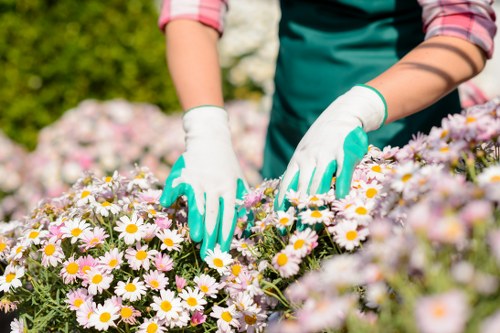 We have set a clear recycling percentage target for our services: 65% material recovery by 2030 across all Gardener Tooting operations, combining on-site separation and partner processing. This target aligns with the wider borough emphasis on separate food, dry recycling and residual streams, and encourages residents to follow local separation rules for glass, paper, card, plastics and textiles.
To process materials efficiently we use nearby transfer facilities and civic amenity points, coordinating drop-offs at local transfer stations such as the Wandsworth transfer facility and neighbouring South London transfer sites. These transfer stations accept mixed green waste, bulky items and recyclables for onward processing. Our work respects the borough’s approach to waste separation: compostable food and garden waste is collected or taken to anaerobic digestion/composting, while dry recyclables are kept clean and sorted to avoid contamination.
Typical material streams we manage include:
- Green waste: grass cuttings, prunings, leaves and woody debris for community composting
- Dry recyclables: clean paper, card, plastic pots and trays
- Reusable items: garden furniture, tools and planters redirected to charities
In the sustainable rubbish gardening area we prioritise on-site processing where possible: a compact shredder and mobile compost bays reduce transport needs, turning tree prunings and plant trimmings into mulch and soil conditioners. By keeping materials local we lower emissions and feed nutrient-rich matter back into planting schemes. Small-scale mulching also reduces water use and supports urban biodiversity.

Strong partnerships are central to what we do. Gardener Tooting collaborates with local charities and redistribution organisations — from community garden groups and food redistribution networks like The Felix Project to reuse charities and furniture banks such as the British Heart Foundation’s local collection schemes — to make sure reusable items avoid landfill. We also partner with community composting initiatives and social enterprises that turn green waste into marketable compost for public planting projects.
These alliances enable a practical reuse chain: salvaged timber and pots are refurbished for community plots, soil and compost reach allotments, and usable tools and small furniture are offered to charities or sold through social enterprises to fund more green projects. Such partnerships increase social value while reducing the overall environmental footprint of gardening waste.
Fleet and logistics are designed to support the sustainable rubbish gardening area. Our vehicle policy emphasises low-carbon vans, with a transition to electric and hybrid light vans and the growing use of cargo e-bikes for shorter local runs. Route optimisation software and consolidated drop-offs at transfer stations reduce mileage and idling time. Over the next five years our ambition is to cut fleet CO2 emissions by more than 50% compared to the baseline year, delivering cleaner streets and quieter operations for residents.
For larger bulky clearances we still use low-emission vehicles but pair those visits with local charity collections or scheduled transfer station runs to avoid extra journeys. This approach keeps the Gardener Tooting service efficient while upholding a low-carbon ethos.
Practical steps for residents and Tooting gardeners
Simple actions by residents and contractors make a big difference. When arranging services with a Tooting gardener, remember to:
- Segregate waste at source: separate food/green waste from dry recyclables and bulky items to keep contamination low
- Donate usable items where possible: planters, tools and furniture can be reused by charities
- Choose low-carbon options: request electric-van service or consolidated collection slots
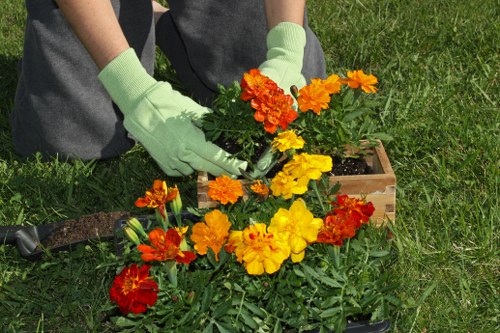
Across the borough we support community events and collection drives that reinforce the circular model: volunteer composting hubs, tool swaps and green waste amnesty days reduce the amount sent to disposal. These activities are coordinated with local authority waste calendars and the borough’s separation guidance to ensure easy participation and compliance. Monitoring and reporting help us stay on course toward our recovery target, with regular audits informing improvements to collection and processing workflows.
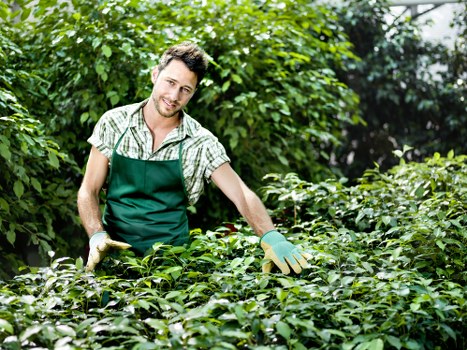
Our vision for Gardener Tooting is to embed sustainability into everyday gardening and landscaping: an eco-friendly waste disposal area that feels local and accessible, and a robust sustainable rubbish gardening area that delivers soil health, resource reuse and reduced emissions. By combining clear targets, strategic transfer station use, charity partnerships and a low-carbon fleet, we create a practical, long-term blueprint for greener streets and thriving community spaces in Tooting and beyond.
Join the movement: support reuse, separate your waste where possible, and choose services that prioritise low-carbon logistics and community redistribution. Together, gardeners, residents, charities and councils can transform what was once rubbish into the foundation for healthier neighbourhoods.