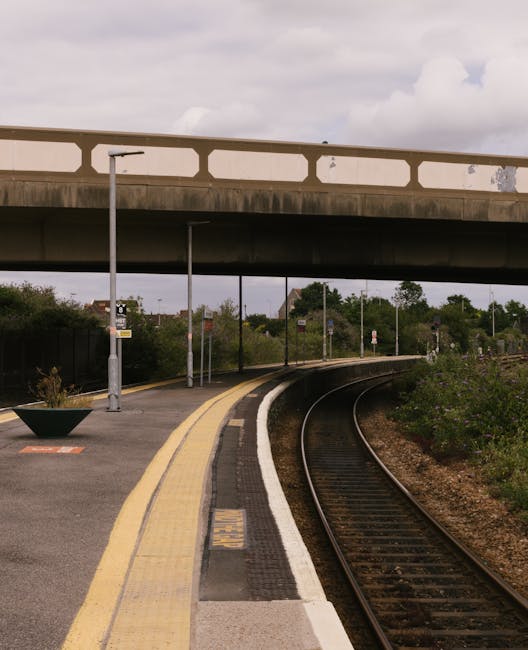
Local gardeners Tooting Broadway station garden repairs: a practical guide to fixing, restoring, and keeping outdoor spaces tidy
If your garden near Tooting Broadway station has started looking a bit tired, you are not alone. Broken edging, patchy lawn areas, leaning trellis panels, rotted sleepers, overgrown hedges and slippery paving have a way of creeping up slowly. Then one day you notice the whole space feels difficult rather than welcoming. That is exactly where Local gardeners Tooting Broadway station garden repairs come in: the small, skilled repairs that bring a garden back into shape without needing a full redesign.
This guide explains what garden repairs usually involve, how local gardeners approach them, which problems are worth fixing first, and how to choose the right service for a London garden where space is tight and weather, shade, wear, and access all play a part. You will also find a step-by-step process, practical checklists, common mistakes to avoid, and a realistic look at when repair is enough and when something bigger is the smarter move.
Table of Contents
- Why it matters
- How it works
- Key benefits and practical advantages
- Who this is for and when it makes sense
- Step-by-step guidance
- Expert tips for better results
- Common mistakes to avoid
- Tools, resources and recommendations
- Law, compliance, standards, or best practice
- Options, methods, or comparison table
- Case study or real-world example
- Practical checklist
- Conclusion
- Frequently asked questions
Why Local gardeners Tooting Broadway station garden repairs Matters
Garden repairs sound straightforward, but they often solve problems that affect safety, appearance, and long-term upkeep all at once. A loose paving slab is not just untidy; it can become a trip hazard. A split fence panel is not just ugly; it can invite more wind damage and reduce privacy. A neglected bed border or rotten timber edge can let soil spill, weeds spread, and water pool where it should not. In a busy part of south London, those little issues can add up quickly.
Local knowledge matters too. Gardens around Tooting Broadway station can face a mix of compact layouts, shared boundaries, mature planting, limited side access, and heavier foot traffic from people, bins, bikes, pets, and delivery movement. A local gardener usually understands the practical realities better than someone who only thinks in terms of one-off fixes. They know when a repair has to be neat because there is barely room to work, and when it has to be robust because repeated wear will test it.
There is also the emotional side. A garden that looks half-finished can be annoying every time you look out of the window. You keep meaning to sort it, but life gets busy. Truth be told, most people do not need a perfect garden. They need one that feels safe, tidy, and manageable again. That is the real value here.
Expert summary: Good garden repairs are not about making everything new. They are about stabilising the space, removing risks, and restoring the parts that matter most so the garden becomes easy to enjoy again.
How Local gardeners Tooting Broadway station garden repairs Works
The process usually starts with a walk-through and a practical look at what is actually broken, loose, rotting, rusting, uneven, or overgrown. A good local gardener will not jump straight to replacing everything. They will assess what can be repaired, what should be replaced, and what simply needs tidying as part of wider maintenance. That distinction saves money and avoids unnecessary work.
In many cases, repair work is carried out alongside wider services such as garden maintenance, hedge trimming, lawn mowing, or even garden clearance if the space has been neglected for a while. That combination often gives the best result because the visible problems are dealt with together instead of in isolation.
Repairs may include:
- Re-securing or replacing loose fence panels and posts
- Fixing broken edging, raised borders, or sleeper walls
- Repairing or replacing damaged trellis, gates, or small timber structures
- Levelling uneven sections of lawn or compacted soil patches
- Replacing cracked paving or improving path stability
- Rebuilding damaged planting beds or tidy border edges
- Cutting back overgrowth that is stressing structures
- Cleaning away moss, debris, and slipped soil so the repair lasts
The best gardeners also think about what caused the damage in the first place. Was it weather? Soil movement? Poor drainage? Tree roots? Old timber that simply reached the end of its life? If you skip the cause, the same fault often returns. That is the bit people regret later, usually after the second repair. Nobody wants to do the same job twice.
Key Benefits and Practical Advantages
Choosing local gardeners for repair work around Tooting Broadway station brings a few very practical gains. Some are obvious, others less so.
- Faster response and easier scheduling: local teams can usually visit more easily, which helps when a repair is urgent or weather-sensitive.
- Better fit for compact London gardens: they are used to narrow access, tight corners, basement gardens, shared passages, and awkward layouts.
- Lower disruption: the right repair plan avoids overworking the space, which is useful if you still need to use the garden while jobs are underway.
- More cost-effective than full replacement: a targeted fix often restores function without a bigger landscaping bill.
- Improved safety: fewer loose slabs, broken edges, unstable timber pieces, and trip points.
- Better plant health: repairing borders, drainage issues, or damaged supports can prevent further stress on plants.
- Longer life for the garden as a whole: fixing small failures early usually protects the bigger elements around them.
There is a lot to be said for tackling the small stuff before it becomes dramatic. A cracked fence rail is a ten-minute nuisance now; leave it long enough and it becomes a wind-blown mess on a wet Tuesday night. Gardens have a habit of doing that, don't they?
One overlooked advantage is peace of mind. Once the obvious damage is sorted, you stop scanning the garden for what might fail next. That mental load matters more than people admit.
Who This Is For and When It Makes Sense
This kind of repair work is useful for all sorts of homeowners and tenants, but a few situations come up again and again.
You may need local garden repairs if:
- Your fence or boundary structure has been damaged by wind or age
- Paving, steps, or edging have become uneven or unsafe
- A border or raised bed is collapsing, bowing out, or spilling soil
- Plants are being crushed by broken supports or overgrown structures
- The garden looks neglected but does not need a full redesign
- You are preparing to sell, let, or simply present the property better
- Water is pooling in one area after rain and the surface needs attention
- You want to restore order before starting longer-term landscaping work
It also makes sense if you have already done some maintenance but the space still feels unfinished. A freshly mown lawn next to a sagging fence or broken border can look strangely more obvious. The eye goes straight to the flaw. Repair work smooths that out.
For landlords and property managers, quick repairs are especially useful. Small defects can become complaints surprisingly quickly, and nobody wants avoidable back-and-forth over something that could have been fixed in a tidy afternoon.
Step-by-Step Guidance
If you are wondering how the job usually unfolds, here is a straightforward version of the process.
- Inspect the garden properly. Start with a full look at fences, borders, lawns, paths, gates, timber features, and drainage-prone areas. Take photos if you want a record.
- Separate repair from maintenance. Some issues are structural and need fixing; others are just untidy growth or debris. It helps to know which is which.
- Prioritise safety first. Anything loose, sharp, unstable, or slippery should go to the top of the list.
- Choose repair over replacement where sensible. If the surrounding structure is healthy, a targeted repair is often enough. If the timber is rotten through, replacement may be the better call.
- Decide whether access or clearance is needed. A space may need clearing before the repair can begin, especially if there is heavy overgrowth or stored garden waste.
- Complete the repair with matching finish. A repair that functions but looks messy can feel half done. Good finishing matters, especially in visible front or patio gardens.
- Test stability and clean up. Shake, check, level, and tidy. Then step back and look at the whole garden rather than the repair alone.
- Plan follow-up maintenance. Some repairs hold best when paired with regular upkeep, seasonal checks, and pruning.
If you are booking help, ask what is included in the assessment, whether waste removal is part of the job, and how the gardener handles weather delays. Those small questions save awkwardness later.
Expert Tips for Better Results
Here are the things that make a real difference in practice, not just on paper.
- Fix the cause, not only the symptom. If a fence keeps leaning, check whether the post footing, ground movement, or nearby roots are part of the problem.
- Match materials sensibly. A quick patch can work, but in visible areas it should still blend reasonably well with the existing garden.
- Don't ignore drainage. Wet soil, pooling water, and soggy edges shorten the life of timber and can loosen paving over time.
- Work with the season. Some repairs are easier in drier months, but that does not mean you should wait forever if there is a safety issue. Sometimes you just need to get it done.
- Combine jobs where it makes sense. A repair alongside landscaping or landscape gardening can create a better final result than doing everything in separate visits.
- Keep access in mind. In London gardens, moving materials through narrow side returns or shared paths can affect time, cost, and method.
A slightly nerdy but useful tip: take one photo before and one after. It helps you compare, and honestly it can be a bit satisfying when the repair is subtle but the whole space suddenly feels calmer.
Also, do not assume every old timber piece is ready for saving. Sometimes the kindest thing for the garden is replacement, not another bodge. Harsh, but true.
Common Mistakes to Avoid
Garden repairs often go wrong for reasons that are completely avoidable. Here are the usual suspects.
- Only treating the visible damage: a loose slab may be the symptom of sinking ground or poor bedding.
- Using the wrong materials: outdoor timber, fixings, and finishes need to suit damp, changing weather.
- Leaving unstable structures "for now": temporary often becomes permanent, and then everyone forgets about it.
- Ignoring overgrowth around the repair: ivy, roots, and tangled branches can keep stressing repaired areas.
- Trying to do too much at once: if the garden needs clearance, repair, and routine care, it is better to sequence the work sensibly.
- Assuming all gardeners do the same thing: some focus on maintenance, some on landscaping, and some are better suited to structural fixes. It matters.
One subtle mistake is cosmetic enthusiasm. People sometimes want the repair to look perfect before they want it to work properly. The right order is the other way around. Make it sound, then make it neat.
And yes, there are jobs you can delay. But if a repair affects safety, access, or water control, delay is rarely your friend.
Tools, Resources and Recommendations
You do not need a garage full of specialist kit to understand garden repairs, but it helps to know what good work usually involves.
Typical tools and materials may include:
- Spades, forks, trowels, and hand rakes
- Secateurs, loppers, and hedge tools
- Level, tape measure, and straight edge for checking alignment
- Outdoor-grade fixings, brackets, and screws
- Timber treatment or protective finish where suitable
- Sub-base or bedding material for slabs and paths
- Soil, compost, or edging material for border repairs
- Waste bags or removal equipment for cleared debris
In practice, a lot of the best work depends less on fancy tools and more on judgement. Knowing whether to repair, reinforce, or replace is the real skill. That comes from experience and a decent look at the garden, not from shiny kit alone.
If you are comparing services, it can help to review the broader services overview and understand how repair work sits alongside routine maintenance, clearance, and landscaping. If you want to understand how a company presents itself, their about us page is usually worth a look too, simply to get a feel for how they work.
For practical matters like budget planning, the pricing and quotes page is the best place to understand how the service handles estimates and job scope. Small point, but an important one.
Law, Compliance, Standards, or Best Practice
Garden repairs are not usually heavily regulated in the way building work can be, but that does not mean standards do not matter. A trustworthy gardener should still work carefully, follow sensible site safety practice, and respect property boundaries and access arrangements.
In a London setting, best practice usually means:
- Keeping walkways safe and clear while work is underway
- Using appropriate personal protective equipment where needed
- Handling tools, lifting, and waste sensibly to reduce risk of injury
- Protecting neighbouring property and shared access points
- Taking care around utilities, drainage, and buried fixtures
- Removing waste responsibly rather than leaving it behind
If a repair involves larger tree work, unstable branches, or anything that looks more hazardous than routine gardening, it is wise to look for a team that also understands the limits of safe work. In those cases, a service such as tree lopping and removal may be more appropriate than basic garden repair alone.
It is also sensible to check that the company is clear about safety, insurance, and how they manage risk. You can usually learn a lot from their health and safety policy and insurance and safety information. If waste sorting and greener disposal matter to you, the recycling and sustainability page is a useful signpost.
For anything involving timber, fences, or raised structures, a good repair is one that is stable, tidy, and suitable for normal outdoor weather. Nothing fancy. Just solid, sensible work.
Options, Methods, or Comparison Table
Not every garden issue needs the same solution. Choosing the right approach saves time and avoids overpaying for work that is too big or too small.
| Approach | Best for | Pros | Limits |
|---|---|---|---|
| Simple repair | Minor breaks, loose edging, small fence fixes, isolated damage | Quick, cost-conscious, minimal disruption | Not suitable for widespread deterioration |
| Repair plus maintenance | Gardens with both damage and general untidiness | Better finish, longer-lasting result, cleaner presentation | Takes a bit more planning |
| Repair plus clearance | Overgrown or cluttered spaces where access is difficult | Reveals hidden issues, makes the repair easier | Can feel like a bigger job at the start |
| Repair plus landscaping | Spaces where the layout also needs improvement | Creates a more coherent long-term result | More involved and often a larger budget |
If your garden is mainly functional but worn, simple repair plus maintenance is often enough. If the space has become a tangle of old materials, poor edges, and a few hidden surprises, clearance first is usually the calmer option. You learn this pretty quickly once you start lifting things and the garden reveals its secrets.
For people considering a more transformative route, landscaping and decking services can be sensible next steps after urgent repairs are out of the way.
Case Study or Real-World Example
Here is a realistic scenario. A small rear garden near Tooting Broadway station has a leaning fence panel, one cracked border edge, and a patch of lawn that has become thin because the edge keeps collapsing into it. Nothing dramatic, but the whole space looks tired and slightly neglected. The owner wants the garden usable again before spring really gets going.
A local gardener visits, looks over the boundary, and spots that the fence issue is being worsened by soil movement around the base rather than just age alone. Instead of replacing the whole run, they secure the damaged section, tidy the line of the border, remove some encroaching growth, and repair the edge so the soil stays put. They also trim back a nearby shrub that was brushing the fence every time the wind picked up.
The result is not a magazine garden. That would be a silly expectation. But the space now feels stable, neater, and much easier to maintain. More importantly, the owner can see the difference immediately. The garden has gone from slightly awkward to properly usable.
That is the kind of outcome most people actually want. Reliable, clean, and not overblown.
Practical Checklist
Use this checklist before you book or begin any repair work.
- Identify what is damaged, loose, rotten, uneven, or overgrown
- Take note of any safety risks such as trip hazards or unstable panels
- Check whether the issue is isolated or part of a bigger problem
- Decide if the garden needs clearance before repair can start
- Confirm whether you want maintenance included as part of the visit
- Ask how waste and old materials will be handled
- Clarify whether the repair will be cosmetic, structural, or both
- Review any access limits, neighbour considerations, or timing preferences
- Think about follow-up care after the repair is complete
- Keep a note of the before-and-after condition for future reference
If you want a smoother result, a little preparation goes a long way. It really does. Even five minutes of looking properly can save an hour of confusion later.
Conclusion
Local gardeners around Tooting Broadway station can do far more than mow grass and trim hedges. They can repair the worn, broken, and slightly awkward parts of a garden so the whole space feels manageable again. For many people, that is the difference between a garden they avoid and one they actually use.
The best repair work is practical, proportionate, and grounded in what the garden genuinely needs. Fix the hazards first. Protect the structure. Clean up the edges. Then, if needed, build from there with maintenance or landscaping. Simple, but not always easy. Still, it is often the smartest route by a mile.
Get a free quote today and see how much you can save.
If you are comparing options, take a look at the team's garden maintenance approach, their garden clearance support, and their wider services overview to see how repair fits into the bigger picture. A bit of clarity now can save a lot of hassle later, and a decent garden has a way of making daily life feel lighter. Oddly enough, that matters more than people think.
Frequently Asked Questions
What do local gardeners near Tooting Broadway station usually repair in a garden?
They often repair broken edging, loose fence panels, leaning posts, damaged trellis, uneven paving, worn borders, and garden areas made untidy by overgrowth or soil movement.
Is garden repair better than full landscaping?
It depends on the condition of the space. If the main issue is damage or wear in a few places, repair is usually enough. If the layout is poor or several parts need redesigning, landscaping may be the better long-term choice.
Can garden repairs be done in a small London garden?
Yes, and often that is where local experience helps most. Small gardens can be awkward to access, but a good gardener will plan around narrow passages, shared sides, and limited working space.
How do I know if a fence needs repair or replacement?
If the damage is limited to one section, repair may be possible. If the posts are rotten, the base is unstable, or multiple panels are failing, replacement is usually the safer and more durable option.
Should I clear the garden before asking for repairs?
Not always, but if the area is heavily cluttered or overgrown, clearance can make the repair easier and more accurate. In some cases, a service such as garden clearance is the sensible first step.
Do garden repairs include waste removal?
Sometimes yes, sometimes as an added part of the job. It is best to confirm this early so you know whether the quote includes removing old timber, debris, soil, or cutback material.
How long do minor garden repairs usually take?
Smaller jobs can sometimes be completed in a single visit, while more involved repairs may take longer depending on access, materials, weather, and how much preparation is needed.
What should I ask before booking a local gardener?
Ask what is included, whether they assess the underlying cause of the damage, whether they carry insurance, how they handle waste, and whether the job is repair only or can include maintenance too.
Are garden repairs worth doing before selling a property?
Yes, often they are. Small visible problems can make a property feel less cared for than it really is. A tidy, safe garden helps the whole place present better.
What if the repair area has drainage issues?
Drainage matters a lot. If water is causing the damage, the problem may return unless the gardener addresses the surface levels, soil movement, or another underlying cause.
Can repairs be combined with hedge trimming or lawn work?
Absolutely. In fact, combining repairs with hedge trimming or lawn mowing can make the garden look finished instead of patched together. It is often the neatest approach.
How do I choose a trustworthy local gardener?
Look for clear communication, practical advice, sensible explanations of repair options, and transparent information about pricing, safety, and insurance. A trustworthy gardener should sound grounded, not vague.